
The cultural significance of gambling in modern society
Historical Context of Gambling
Gambling has been an integral part of human culture for centuries, often intertwined with social rituals and communal gatherings. From ancient civilizations that placed bets on gladiatorial contests to the modern-day casino culture, the evolution of gambling reflects societal changes and technological advancements. Historical records illustrate how different cultures embraced gambling as a form of entertainment, often associating it with luck, fate, and fortune. Today, players can find innovative platforms among new online casinos nz, catering specifically to their preferences.
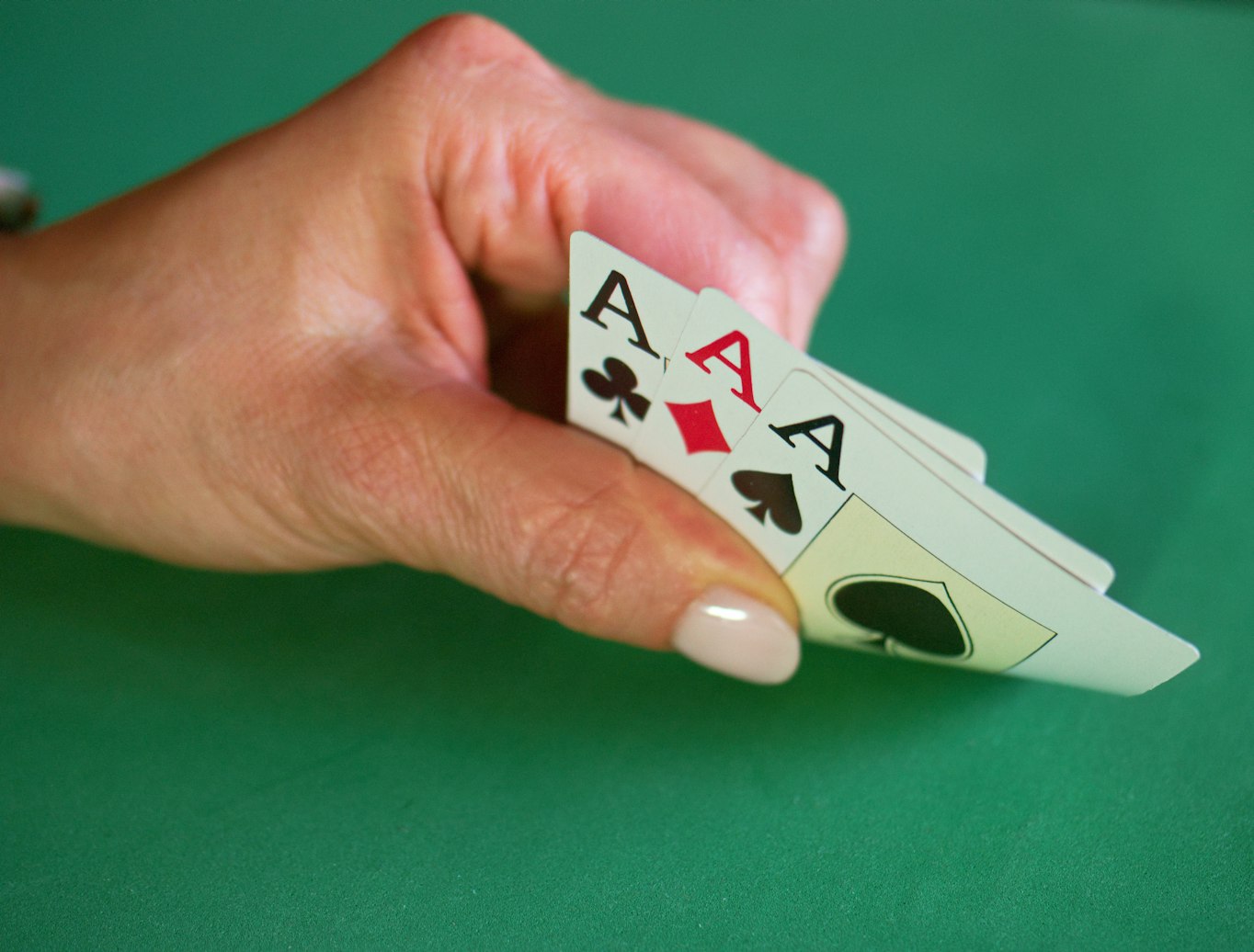
Moreover, the historical perspective on gambling reveals its role in fostering social connections. Whether through informal betting among friends or organized tournaments, gambling has often served as a medium for social interaction, strengthening community bonds. This cultural tapestry highlights how gambling is not merely a pastime, but a significant social activity that has adapted over time.
The Psychological Aspects of Gambling
The psychology behind gambling is a fascinating topic that reveals much about human behavior. Many individuals are drawn to gambling because of the thrill it provides, often termed as the ‘gambling rush’. This adrenaline-fueled experience taps into core psychological mechanisms, such as risk-taking and reward processing, which are fundamental to human nature.
Addiction is a serious concern in the realm of gambling, as some individuals may find themselves unable to resist the allure of placing bets. This aspect raises questions about personal responsibility and the need for support systems. Understanding these psychological facets is crucial in promoting responsible gambling practices and creating environments that prioritize player safety.
Cultural Representation of Gambling in Media
Gambling has long been a popular theme in various forms of media, from films to literature. Movies often depict gambling as glamorous and thrilling, portraying the lifestyle of high rollers and the excitement of high-stakes games. This representation not only captivates audiences but also shapes public perception, influencing how society views gambling as a whole.
However, such portrayals can also glorify risky behavior, leading to misconceptions about the reality of gambling. It’s essential for media to strike a balance by showcasing both the exhilarating aspects and the potential pitfalls, fostering a more nuanced understanding of gambling’s role in society.
Gambling and Economic Impact
The economic significance of gambling in modern society cannot be overlooked. The gaming industry generates billions in revenue, contributing to local economies and funding essential public services. In many regions, casinos and betting establishments create jobs, boost tourism, and stimulate economic growth, highlighting the industry’s integral role in many communities.
Nonetheless, the economic benefits of gambling come with challenges. Responsible gambling initiatives must be emphasized to mitigate social costs, such as addiction and financial distress. As governments and organizations work to balance economic gain with social responsibility, the conversation around gambling continues to evolve, reflecting its complex position in modern society.

Empowering Players Through Responsible Gambling
In today’s digital age, the rise of online gambling has transformed the landscape, making it more accessible than ever. However, this accessibility comes with heightened risks, underscoring the importance of responsible gambling measures. Awareness campaigns, educational resources, and support systems play a pivotal role in promoting safe gambling practices, empowering players to make informed decisions.
As players explore the vast options available, understanding the importance of moderation and self-control becomes paramount. Responsible gambling not only protects individuals but also ensures the sustainability of the industry, fostering a safe environment where people can enjoy gaming without adverse consequences.
